
STANDING ON THE SHOULDERS OF GIANTS
William Arthur Ward on Acceptance, Gratitude & Forgiveness
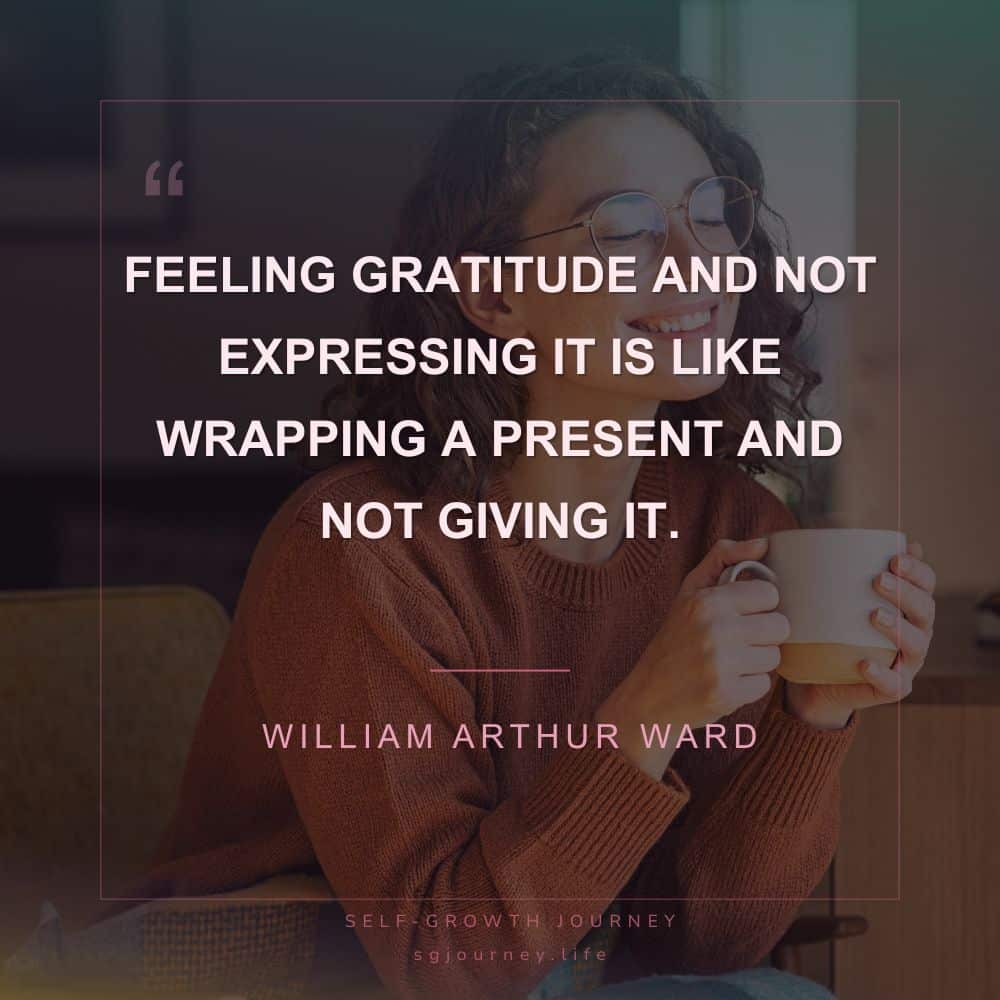
Feeling gratitude and not expressing it is like wrapping a present and not giving it.
—William Arthur Ward
American educator, editor, and writer of motivational maxims
Meet the Giant
William Arthur Ward
William Arthur Ward is an American educator, editor, pastor, and motivational writer whose essays and aphorisms about gratitude, encouragement, teaching, and character appeared in national publications. Their wider body of work gives this quotation a useful context while also reminding us to distinguish a resonant idea from a verified source. In this entry, the biographical emphasis is gently tailored to the quotation: gratitude reaches its relational purpose when specific appreciation is delivered to the person whose contribution inspired it. That connection helps the author introduction support the page rather than repeat an identical biography wherever the same person appears.
What This Means
The quotation suggests that gratitude reaches its relational purpose when specific appreciation is delivered to the person whose contribution inspired it. It shifts attention from admiration of an idea toward the choices the idea asks us to make. The insight becomes practical when we identify where it is absent from our current behavior and choose one response that better reflects it.
A careful reading preserves complexity. Growth is not self-erasure, forced optimism, or denial of harm. Context, consent, accountability, safety, and boundaries still matter. The quotation offers an orientation rather than a universal command, helping us ask what a humane and responsible response looks like in this particular moment.
Repeated practice matters more than dramatic intention. One conversation, boundary, expression of thanks, act of service, or moment of attention may appear small, yet it changes the pattern we are building. The invitation is to move from a statement we agree with to a quality that can be experienced in our conduct. We do not need perfect certainty or motivation. We need enough awareness to notice the next opportunity and enough courage to respond deliberately.
Why It Matters
This matters because gratitude reaches its relational purpose when specific appreciation is delivered to the person whose contribution inspired it. Daily life is shaped less by occasional declarations than by repeated choices made under ordinary pressure. The quotation provides a lens for reviewing how we spend attention, use influence, and affect the emotional climate around us.
Applied wisely, the idea does not demand perfection. It asks for awareness followed by one responsible adjustment. That scale makes reflection actionable: recognize a pattern, choose a better response, and learn from the result. Over time, the value becomes less an attractive statement and more a quality other people—and we ourselves—can actually experience. This is how a brief quotation can become part of a durable practice rather than momentary inspiration. This makes the idea relevant not only in reflection, but in the next ordinary decision.
A Moment of Reflection
Whose contribution have you appreciated privately? What specific action did they take, how did it affect you, and how could you deliver that gratitude today? What small first step would let you test that insight in daily life?
Carry This With You
Gratitude reaches its relational purpose when specific appreciation is delivered to the person whose contribution inspired it.
Source & Attribution
William Arthur Ward; Reader's Digest Quotable Quotes (1997)
Commonly Attributed
Continue exploring the people, ideas, and pillars behind this wisdom.
Explore More Wisdom