
STANDING ON THE SHOULDERS OF GIANTS
Anne Frank on Service & Generosity
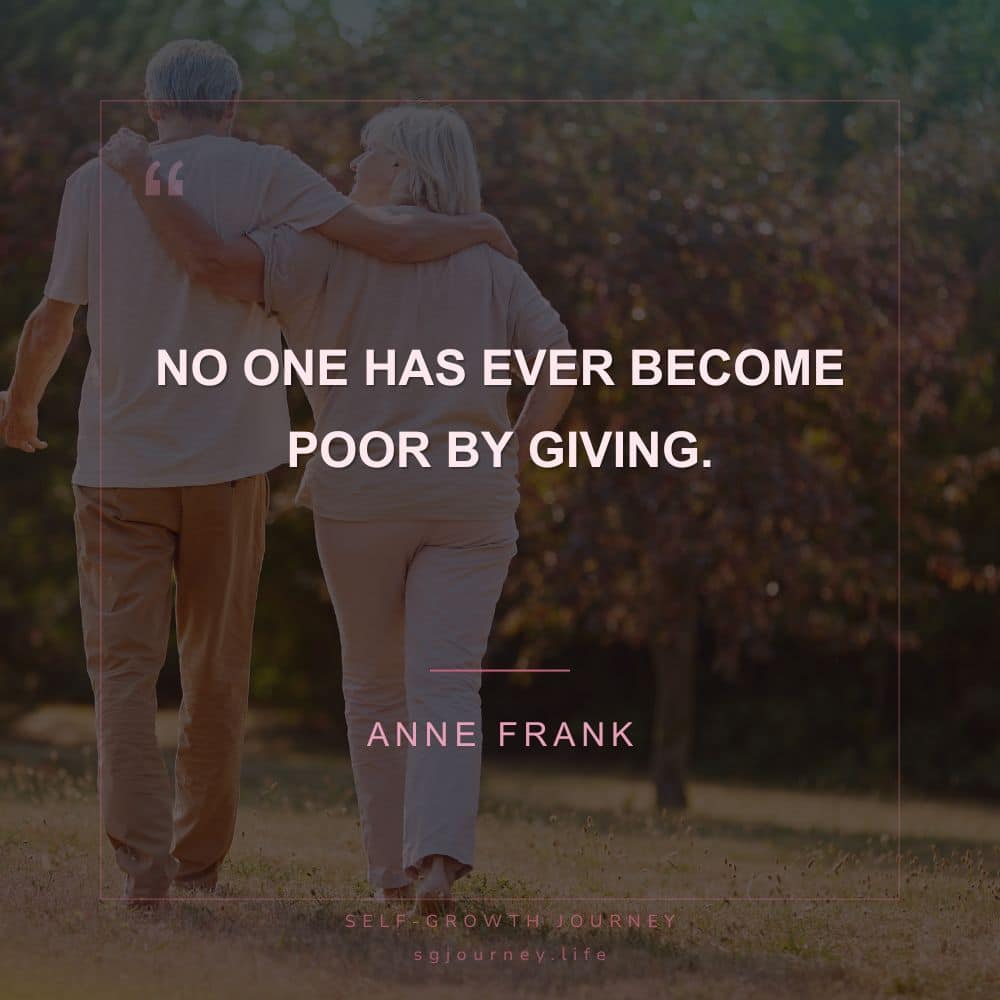
No one has ever become poor by giving.
—Anne Frank
Jewish diarist and enduring voice of the Holocaust
Meet the Giant
Anne Frank
Anne Frank was a German-born Jewish teenager who documented her life in hiding during the Nazi occupation of the Netherlands. Her diary and other writings, preserved and published after her death in Bergen-Belsen, reveal intelligence, humor, fear, moral seriousness, and a determination to keep imagining a humane future. This line is associated with an entry in her tales book dated March 26, 1944, though English translations vary. Read in the context of persecution and scarcity, her conviction about giving carries unusual force: generosity is not measured only by material abundance.
What This Means
At first glance, the quotation sounds financially impossible. Giving money does reduce the amount we possess. Anne Frank is pointing toward a different accounting. Generosity can enlarge forms of wealth that cannot be stored in a bank: connection, meaning, trust, dignity, gratitude, and the knowledge that we have helped someone else. What leaves our hands may return as a richer sense of participation in human life.
The statement is especially striking because it did not emerge from comfort. Frank wrote while living under severe restriction, dependent on others’ courage and practical help. In that setting, giving could mean sharing food or resources, but it could also mean offering attention, hope, humor, patience, or encouragement. Scarcity did not erase the possibility of contribution.
This does not require reckless self-sacrifice. Healthy generosity respects limits; giving until we cannot meet basic obligations may create new harm. The deeper challenge is to question the fear that any gift leaves us diminished. Often the opposite is true. A useful introduction, an hour of listening, sincere praise, knowledge shared freely, or material support within our means can strengthen both giver and receiver. Generosity loosens the grip of scarcity thinking. It reminds us that value can circulate—and that some of what matters most grows when it is shared.
Why It Matters
Many people intend to be generous after they have more time, money, confidence, or security. The quotation brings generosity into the present. Nearly everyone has something that can be offered responsibly: attention, experience, encouragement, access, patience, or practical help. This matters because communities become resilient when resources and care circulate rather than remain isolated.
Giving also reveals what we believe about sufficiency. If we assume there will never be enough, we may protect even what costs little to share. A measured act of generosity can challenge that reflex and show that contribution is compatible with self-respect. The goal is not martyrdom or performative charity. It is a sustainable habit of noticing where what we possess can meet a real need. Used wisely, generosity creates a kind of wealth that accumulation alone cannot provide.
A Moment of Reflection
What resource—time, attention, knowledge, encouragement, or money—could you share without neglecting your own responsibilities? Who would genuinely benefit from it, and what is one specific way you could offer it this week?
Carry This With You
Generosity can reduce what we hold while increasing connection, meaning, and the shared wealth of a community.
Source & Attribution
Anne Frank, Tales from the Secret Annex, entry dated March 26, 1944
Verified
Continue exploring the people, ideas, and pillars behind this wisdom.
Explore More Wisdom