
STANDING ON THE SHOULDERS OF GIANTS
David Steindl-Rast on Acceptance, Gratitude & Forgiveness
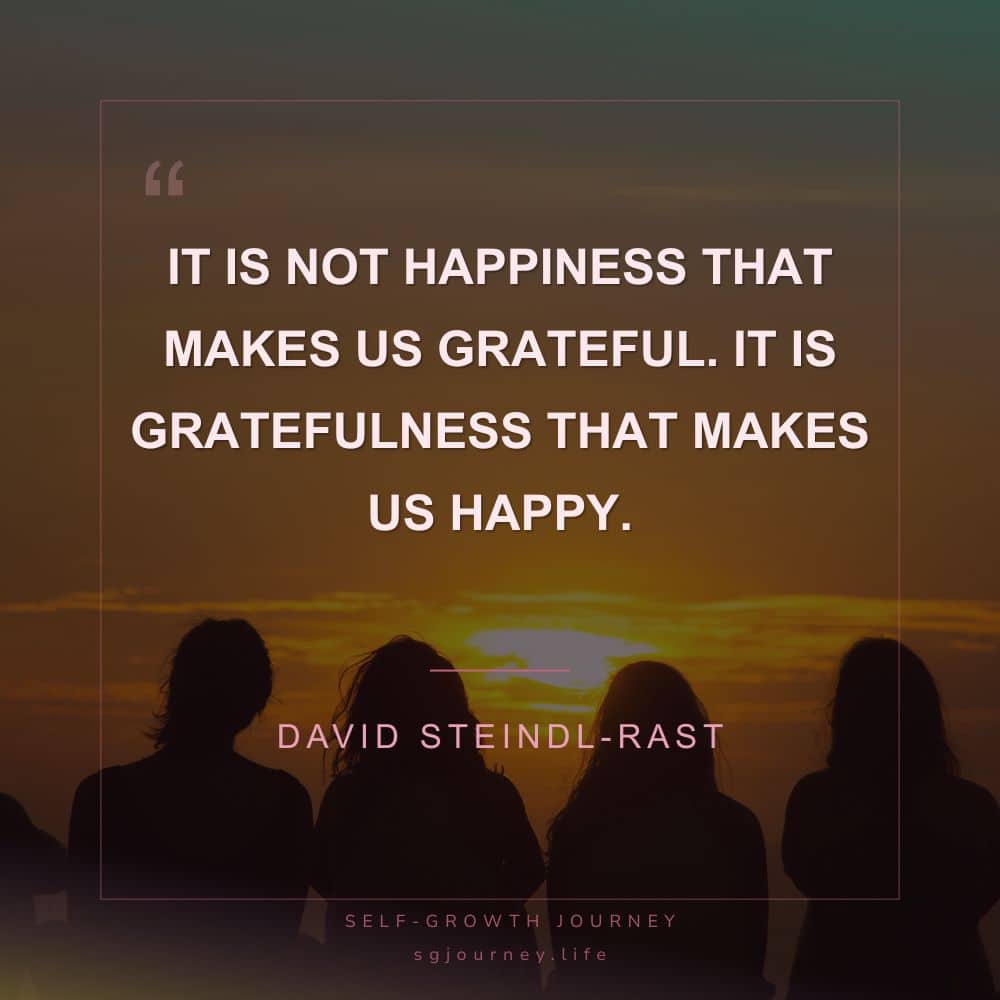
It is not happiness that makes us grateful. It is gratefulness that makes us happy.
—David Steindl-Rast
Benedictine monk and teacher of grateful living
Meet the Giant
David Steindl-Rast
David Steindl-Rast is an Austrian-American Benedictine monk, author, and interfaith teacher whose work explores gratitude, contemplation, joy, and spiritual practice. After studying art, anthropology, and psychology, he entered monastic life and later became widely known for teaching grateful living across religious boundaries. In his 2013 TED talk, he challenged the assumption that gratitude merely follows happiness. His argument reverses the sequence: noticing each moment as a gift and opportunity can itself cultivate a steadier form of happiness.
What This Means
The quotation suggests that gratitude is not only a response to happiness but a practice that can generate it. It redirects attention from what we claim to value toward the relationship, choice, or behavior through which that value becomes real. Instead of treating the line as decoration, we can use it to examine where our current habits support its wisdom and where they contradict it.
The idea needs thoughtful limits. Compassion is not rescuing, forgiveness is not denial, acceptance is not permission for abuse, and human interdependence does not erase individual responsibility. Context, consent, safety, truth, and boundaries determine what a wise application looks like. Read this way, the quotation invites discernment rather than obedience to a slogan.
Its practical power lies in repetition. A moment of listening, service, gratitude, restraint, repair, or honest recognition can change the pattern of a day. We rarely transform through one dramatic gesture; we become different through small choices made consistently. The task is therefore not to embody the quotation perfectly, but to notice the next relevant opportunity and respond with greater awareness, courage, and care.
Why It Matters
This matters because gratitude is not only a response to happiness but a practice that can generate it. Many of the qualities we admire remain abstract until another person can experience them through our conduct. Under pressure, habit often speaks before intention, so a concise principle can interrupt the automatic response and reopen the possibility of choice.
Applied responsibly, the quotation offers a practical review question: what would this value ask of me here, with these people and these consequences? The answer may be a generous act, an honest boundary, sustained attention, an apology, or a pause to appreciate what is already present. Small actions accumulate into character and culture. In that sense, the line is useful not because it sounds inspiring, but because it can help turn reflection into a more humane pattern of living.
A Moment of Reflection
What ordinary gift have you stopped noticing because it is familiar? Pause, name the opportunity inside it, and decide how you will respond gratefully today. What would make that choice both compassionate and sustainable?
Carry This With You
Gratitude is not only a response to happiness but a practice that can generate it.
Source & Attribution
David Steindl-Rast, TEDGlobal talk “Want to be happy? Be grateful” (2013)
Verified
Continue exploring the people, ideas, and pillars behind this wisdom.
Explore More Wisdom